
Your car's A/C runs on a sealed loop of refrigerant that pulls heat out of the air inside the cabin and dumps it outside. The heater works the opposite way, using hot engine coolant run through a small radiator called the heater core to warm the air blowing into the cabin. Both systems lean on a handful of parts working together, a compressor, a condenser, hoses, fans, and valves. None of them work alone. Over time seals dry out, refrigerant leaks out slowly through fittings you cannot see, or the heater core gets clogged with scale and rust from old coolant. A system can look completely normal from outside the car and still barely do its job once you turn it on, which is why so many heating and A/C problems creep up slowly instead of failing all at once.
Signs Your Heating or A/C Needs Attention
- A/C blows warm air instead of cold
- Heater only puts out lukewarm air
- Weak airflow even on high fan setting
- Strange smell when the A/C or heater kicks on
- Noisy compressor clicking on and off
- Windows fog up and won't clear with defrost on
The most common complaint we hear in Binnaguri is air that is not as cold or as hot as it used to be, a gradual fade rather than a sudden stop. Sometimes it shows up as weak airflow even with the fan on high, which points more at the blower or filter than the cooling system itself. Sometimes there is a smell when the system first kicks on, which often means mold sitting in the vents or a cabin filter that has not been changed in a long while. A clicking or cycling noise from under the hood usually means the compressor is struggling to keep up. Fogged windows that will not clear are a heater and defrost problem, not just cold weather outside, and it is worth paying attention before you write it off as normal.
We start by checking refrigerant pressure and looking for leaks along the A/C lines, since a slow leak is by far the most common reason cold air fades over months instead of disappearing overnight. For heating complaints we check the coolant level, look for trapped air in the system, and test the heater core for proper flow and any blockage. We also check the blower motor and cabin filter, because weak airflow is often just a clogged filter doing its job too well rather than a bigger mechanical problem. None of this is guesswork. We test each part of the system in order before we recommend swapping anything, so you are not paying to replace parts that were never the problem in the first place.
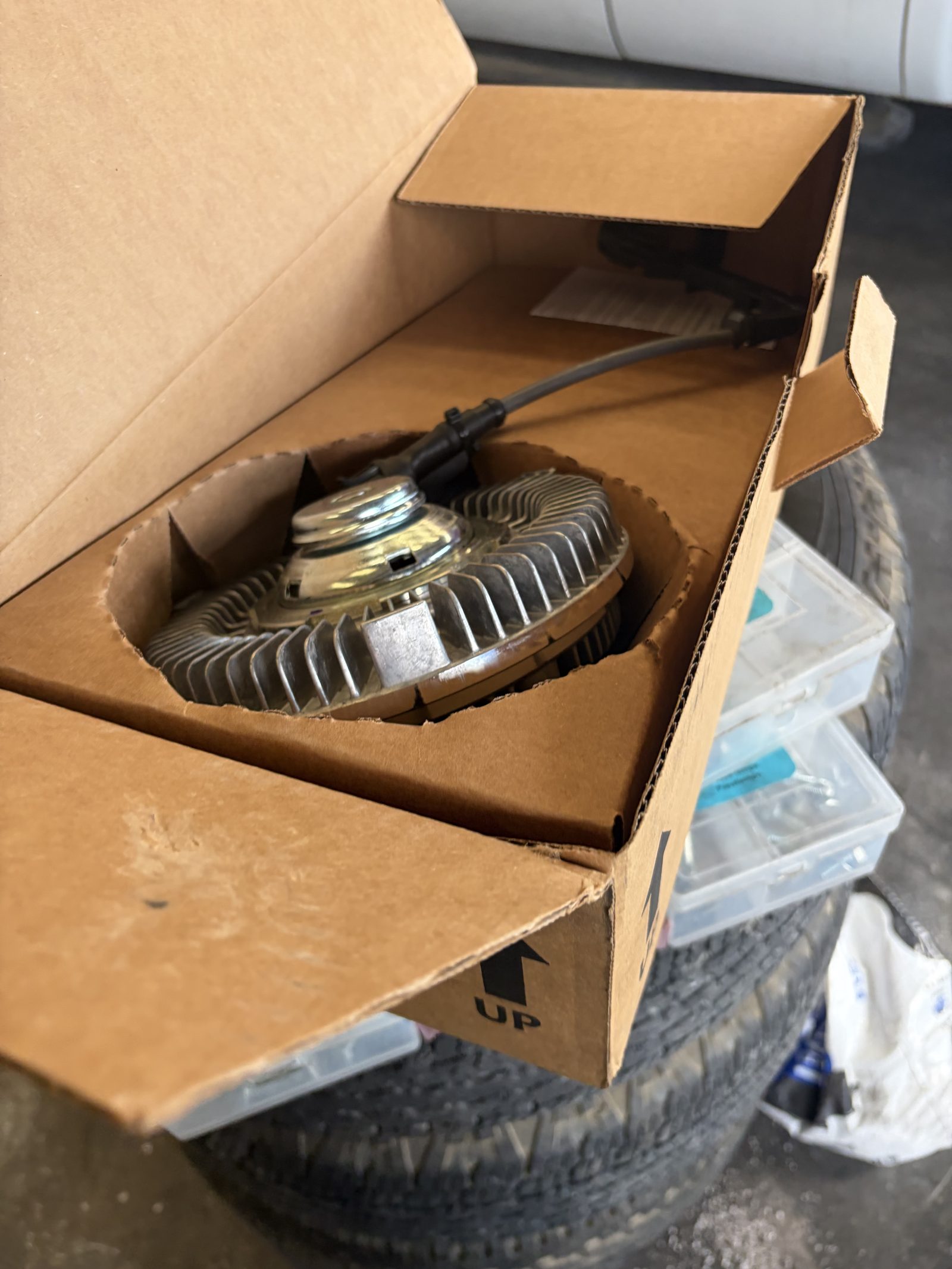
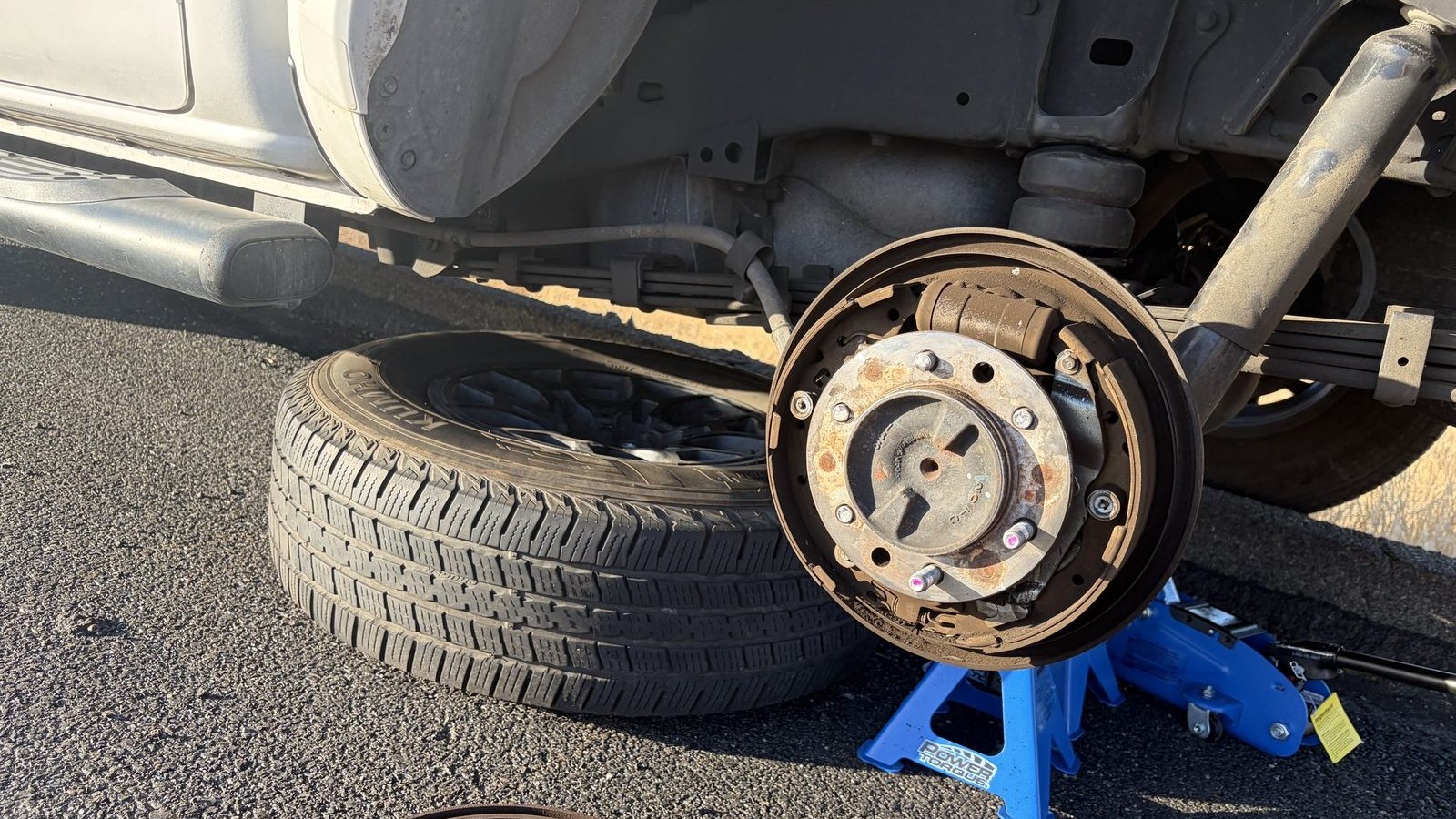
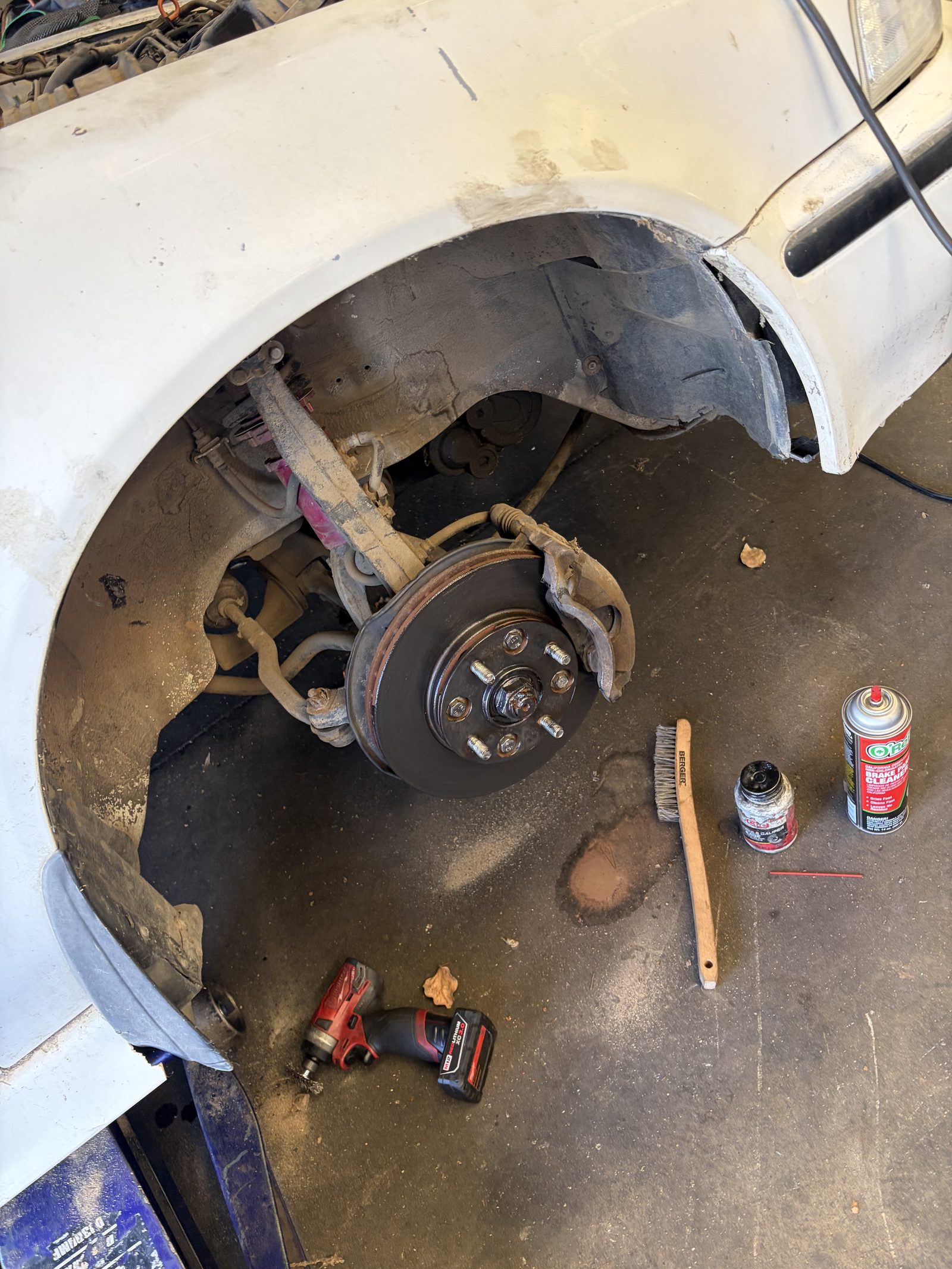
If we find a refrigerant leak, we track down the exact leak point, repair or replace the part that failed, then recharge the system back to the right level, not just a quick top off. If the compressor itself has failed, that gets replaced along with the related parts that tend to wear alongside it, since putting a new compressor into a dirty system usually leads to another failure. For heating issues, a clogged heater core may need a flush to clear out scale, or a full replacement if it is too far gone. Low coolant gets topped off and we check for where it is actually going, because topping it off without finding the cause just means doing it again later. Cabin filters get swapped when they turn out to be the real airflow problem. We finish every job by running the system and checking vent temperature to confirm it is actually fixed, not just quieter.
What changes the size of the job is mostly whether it is a small leak or a failed compressor, and whether the heater core just needs a flush or needs to come out completely. Heater cores can be tucked deep inside the dashboard on some models, which adds real labor time since getting to them means working around the dash itself. A system that has been running low on refrigerant for a long stretch can also put extra strain on the compressor, slowly turning what would have been a small fix into a bigger repair. This is part of why we check pressures and flow before giving you a plan, since the same symptom can point to a quick fix or a longer one depending on what is actually going on underneath.
Until it gets looked at, try not to run the A/C on max constantly if it is already struggling to keep up, since that just pushes a weak compressor harder and can speed up a failure that is already starting. If the heater is blowing cold air instead of warm, keep an eye on your coolant level and watch the temperature gauge for any sign of overheating, especially on longer drives. That is small stuff you can check yourself without tools. For heating and A/C work in and around Binnaguri, you can reach us at +1 747-889-6948 to talk through what you are noticing before it turns into something bigger.
Drivers come to us from Banarhat, Dhupguri, Jalpaiguri, Malbazar, Siliguri, Birpara, and Nagrakata as well, especially before longer trips where a weak heater or a dying compressor turns into a real problem miles from home. A system that struggles in town will struggle more on a long stretch of road, particularly if you are climbing or running the fan on high for hours at a time. Catching a slow refrigerant leak or a clogged heater core early usually means a simpler fix than waiting until the compressor seizes or the heater core fails outright. If something feels off, weak airflow, a smell, a noise, or windows that will not clear, it is worth getting it checked before a trip toward Jalpaiguri or Birpara rather than during one.
What to Tell Us When You Call
- Year, make, and model of the car
- Whether it's the A/C, heater, or both acting up
- Any smell, noise, or fogging you've noticed
- How long it's been happening
 Supercanic