
Modern engines run on a web of sensors that track air, fuel, oxygen levels, and timing. Dozens of readings flow into the engine computer every second while you drive. When one of those readings falls outside normal range, the computer stores a code and lights up the dash. That check engine light does not tell you the full story by itself. It points to an area, like a misfire or a fuel system issue, but it does not name the exact part or wire at fault. Reading the code is step one, not the answer. Engine diagnostics is the work of narrowing a general warning down to the one real cause, which takes a trained eye, a scan tool, and some patience to confirm properly before any part gets replaced.
Signs You Need Engine Diagnostics
- Check engine light is on, steady or blinking
- Engine hesitates or stumbles when you accelerate
- Rough idle or shaking at a stoplight
- Noticeable loss of power going uphill
- Engine stalls out without warning
- Fuel mileage has dropped for no clear reason
Drivers usually notice something is off before the light even comes on. Maybe the car hesitates when you press the gas, or it idles rough at a red light. Some engines lose power on hills they used to climb fine, dragging where they once pulled steady. Others just stall without warning, which is unsettling on a busy road through Jalpaiguri or Siliguri traffic. A rough idle, a flat spot in acceleration, or a sudden stall are all the engine telling you something upstream is off before any warning light shows up. Paying attention to these small changes early, rather than waiting for the dash to light up, often means a smaller and simpler fix once the car gets looked at.
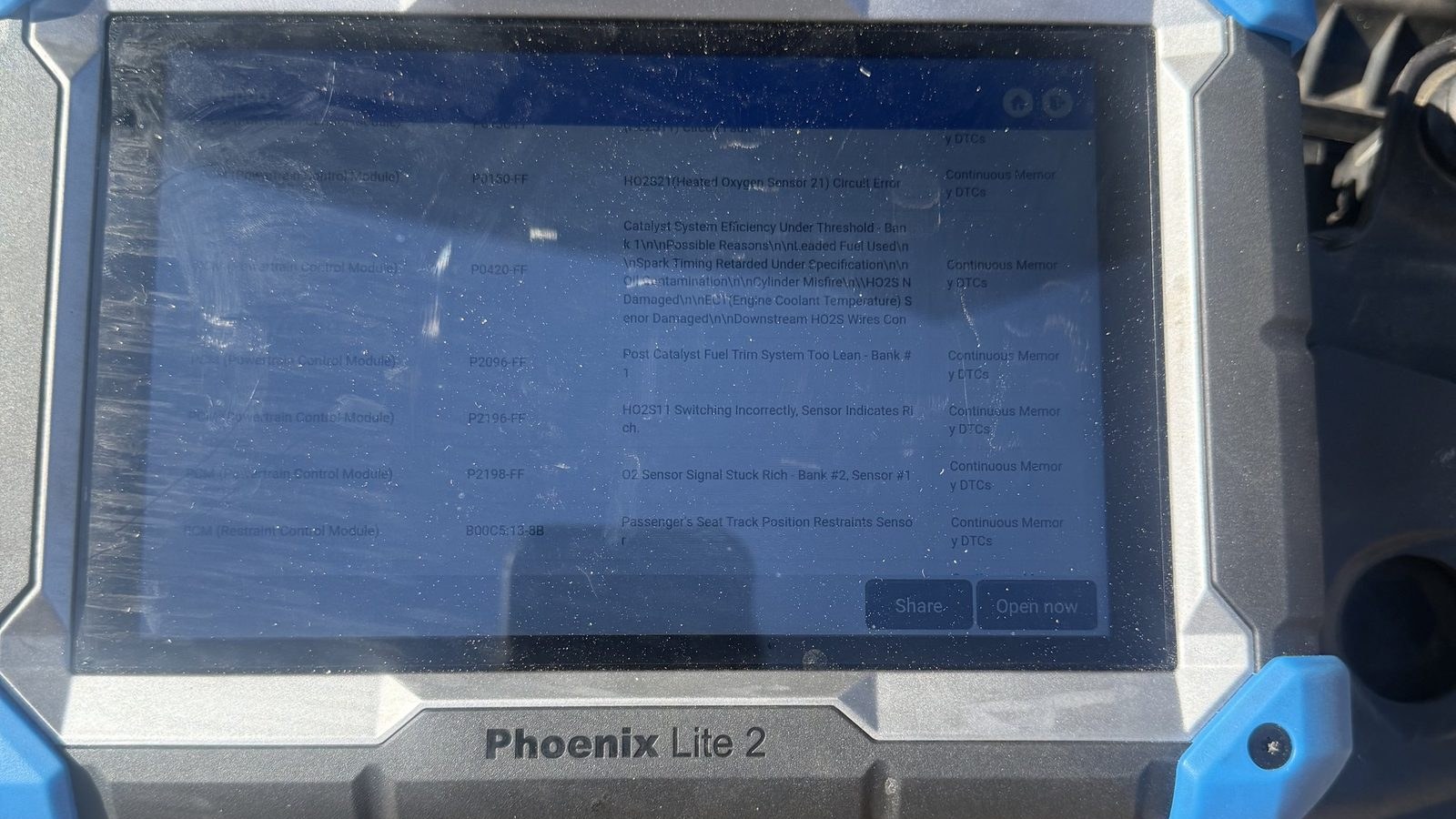
We start by pulling the stored codes with a scan tool, but we do not stop there. Codes point us in a direction, not a final answer, since one trouble code can have several different causes behind it. We check related sensors, look at live data while the engine runs, and sometimes test drive the car around Binnaguri to see the problem happen in real time instead of guessing from a parked engine. Watching real time data lets us see how the fuel trim, oxygen readings, and sensor voltages behave as the engine actually works under load. This keeps us from replacing a part that was never the actual issue and wasting time chasing the wrong symptom.

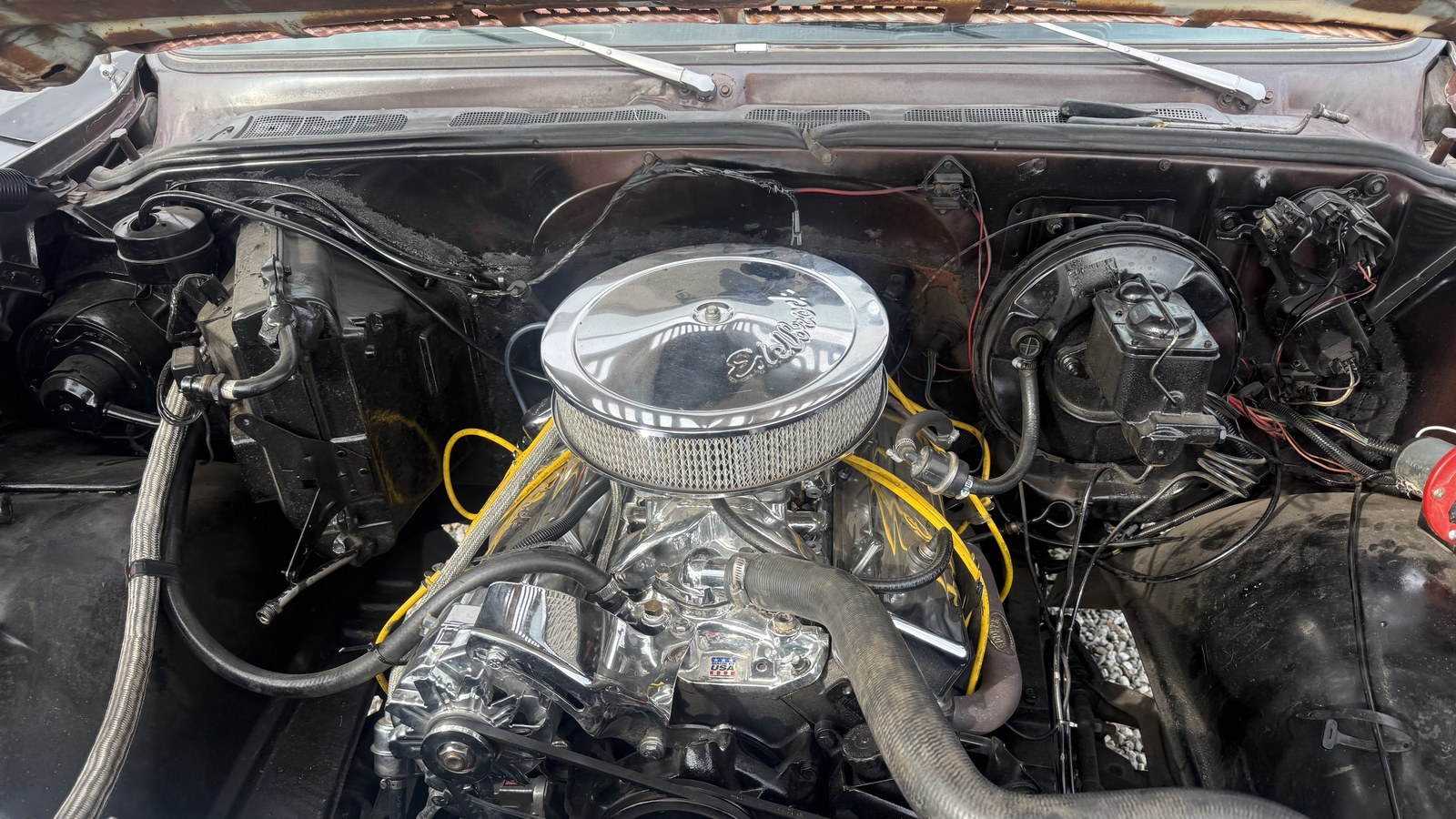

Once we know what is causing the problem, the repair depends on what we find during that testing. It might be a sensor that needs cleaning or replacing, a vacuum leak pulling in unmetered air, a worn spark plug misfiring under load, or a wiring issue breaking the signal between a sensor and the computer. Each of these shows up differently in the live data, which is why confirming the cause matters more than just reading the code off the screen. We fix the actual cause, clear the codes, and run the engine again to confirm the light stays off and the symptom, whether it was stalling, hesitation, or rough idle, is actually gone and not just hidden for a while.
What changes the size of this job is how deep the problem goes before it gets checked. A single faulty sensor caught early is a straightforward fix, usually contained to that one part. But if the issue has been ignored a while, it can affect other parts of the engine, like a misfire that fouls a spark plug or damages a catalytic converter over time through unburned fuel passing through the exhaust. What starts as one cheap sensor can turn into a bigger repair bill once it drags other components down with it. Catching it early, right when the symptom first shows up, usually keeps the repair smaller and keeps the damage from spreading to parts that were fine to begin with.
Until the engine is checked, avoid pushing it hard, especially if it is stalling or losing power on the road. Keep an eye on the dash and do not ignore a blinking check engine light, since that usually means something more urgent than a steady one, often an active misfire that can damage the catalytic converter quickly if the engine keeps running that way. A steady light can often wait a short while, but a blinking one is the engine asking for attention now, not next week. Short, careful trips are better than a long drive if the engine is acting up, since a longer drive gives a small problem more time and distance to turn into a bigger one.
This kind of work comes up for drivers all across our service area, not just in one spot. Whether the car is acting up around Binnaguri, out toward Dhupguri and Banarhat, or coming from Malbazar, Birpara, and Nagrakata, the same approach applies: pull the codes, check the live data, confirm the cause, then fix it. An engine that hesitates, stalls, or struggles on a hill is worth looking at before it turns into a bigger repair. We work through brake service, oil changes, suspension and steering, heating and A/C, and electrical issues too, but a car that will not run right is usually the one that cannot wait around, since it affects how safely the car gets you where you are going.
What to Tell Us When You Call
- Year, make, and model of your car
- Whether the check engine light is steady or blinking
- What the car does differently, like stalling or losing power
- When the problem started and if it happens all the time
 Supercanic