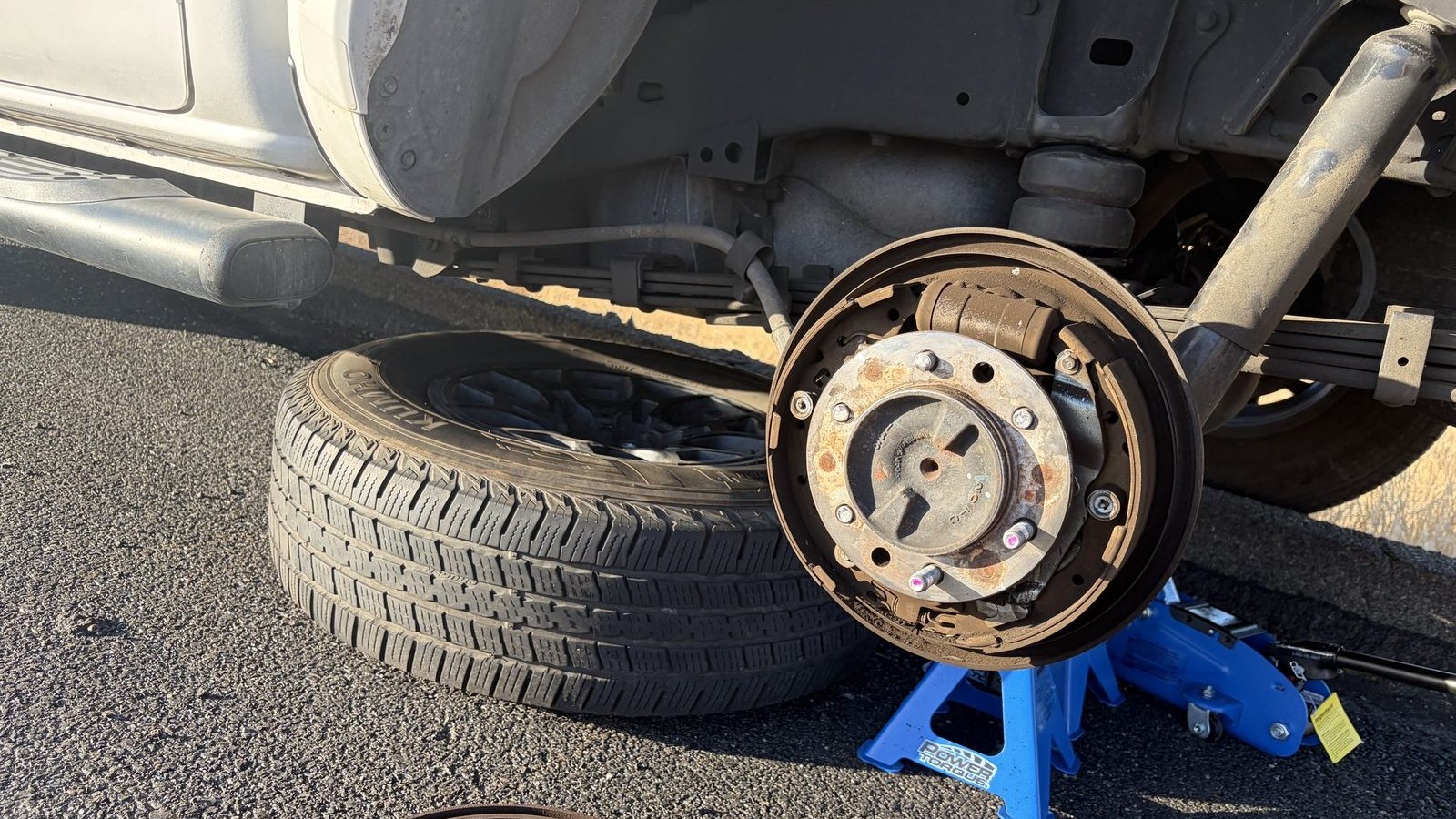
The calls we get from Malbazar tend to follow a pattern. Something feels loose in the steering, there's a clunk over bumps, or the car pulls to one side on a straight road. Other times it's electrical, a window that won't roll up, headlights that flicker, or a battery that keeps dying. And then there's the classic one, a car that clicks but won't crank in the morning. These problems show up for a reason, worn bushings, a corroded connection, a battery that's past its useful life, and the fix depends on finding that reason instead of guessing. None of this is unusual. It's the normal wear and tear of driving on local roads, through heat and monsoon alike, and it's fixable once we get eyes on the car and figure out exactly what's going on underneath the symptom you're noticing.
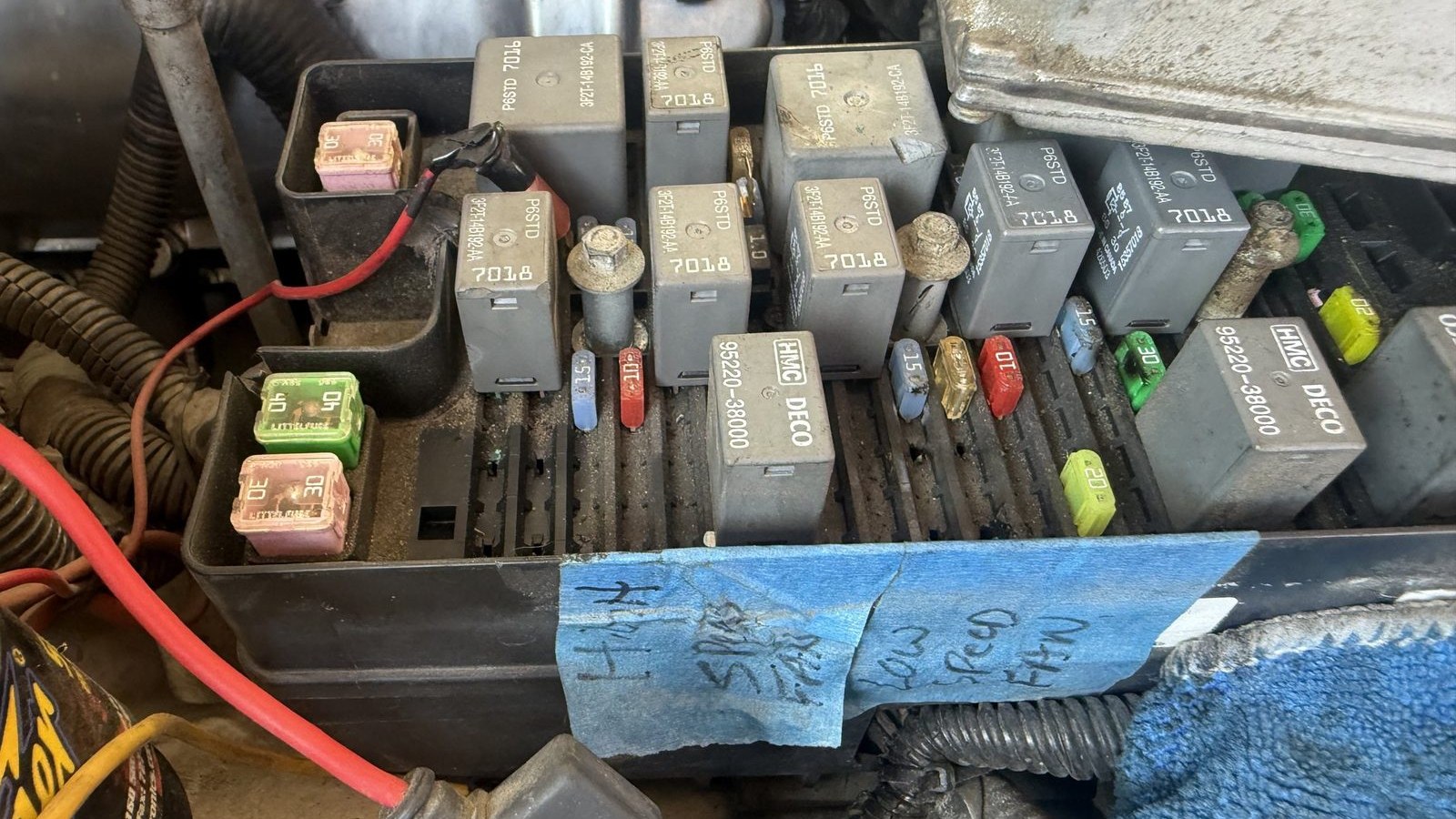
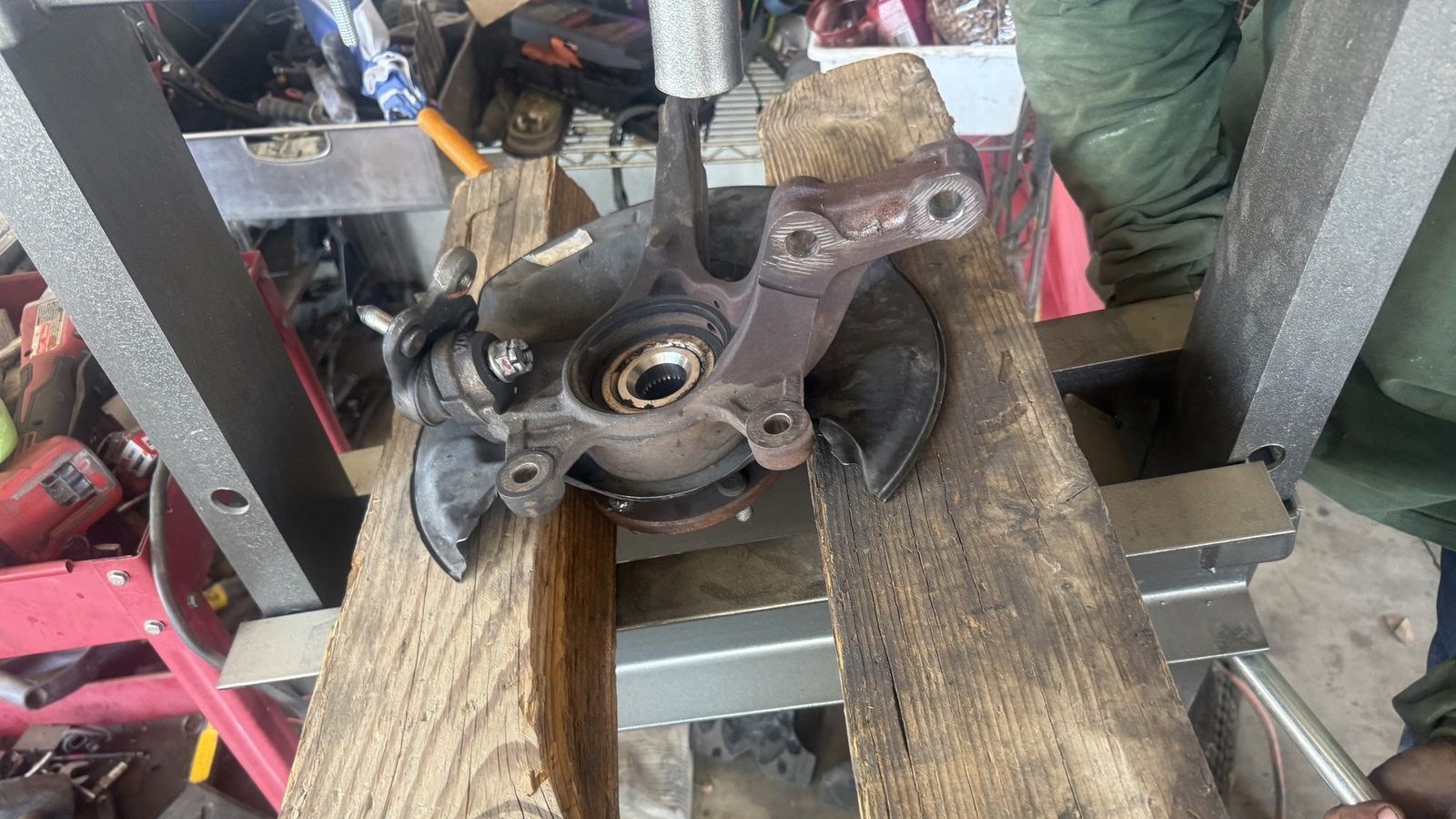
In Malbazar, the services people use most are suspension and steering, electrical, and oil changes. Suspension problems tend to get worse quietly, a slightly soft ride, a bit of sway in a corner, until a pothole or speed bump makes the wear obvious all at once. By then it's often more than one part involved. Electrical issues are usually small parts failing rather than the whole system giving out, a relay, a fuse, a corroded ground wire, so tracing the actual source matters more than replacing things at random. Oil changes stay routine and easy to put off, but the engine depends on clean oil to keep metal parts from grinding against each other. Skipping it doesn't show up right away. It shows up later, as a bigger repair that didn't have to happen.

Most drivers bring their car to us rather than waiting for us to come out. If the car can still be driven safely, getting it to the shop is the quickest way to get it looked at properly, since a hands on inspection tells us more in five minutes than a phone description can in twenty. We can check the brakes, listen for the noise, watch how it behaves, and go from there. If it's not driveable, tell us that when you call so we know what we're working with before the car even arrives. That might mean arranging a tow or just planning differently for how the inspection happens. Either way, knowing the condition of the car ahead of time helps us prepare instead of figuring it out on the spot.
Here's how it usually goes. You call and explain the problem, whatever you've noticed, even if it seems small or hard to describe. We ask a few follow up questions to get a clearer picture, when it happens, how often, whether it's gotten worse. Once the car is with us, we inspect it, confirm what's wrong, and tell you plainly what needs to happen, no guessing games, no vague explanations. You decide how to proceed once you know what you're dealing with, and we do the work from there. It's a simple back and forth, your observations paired with our inspection, that usually gets to the real problem faster than either one alone.
When you reach out, let us know the make, model, and the symptom. Say whether it's a noise, a warning light, a smell, or something that only happens under certain conditions like cold mornings or highway speeds. A grinding sound at low speed points somewhere different than a vibration that only shows up at seventy. A smell of burning rubber means something different than a sweet smell near the vents. That detail helps us know what to check first instead of inspecting the whole car blind. It also helps us ask better questions when you call, since knowing when and how something happens narrows things down well before the car ever reaches the shop.
Drivers around Malbazar keep coming back because the shop covers brakes, engine problems, suspension, AC and heating, and electrical work without sending you somewhere else for each one. A lot of car trouble doesn't come from just one system. A battery issue can look electrical but trace back to a bad alternator. A pull to one side can be alignment or it can be a worn tie rod. Having one shop handle all of it means the full picture gets considered instead of each symptom getting treated separately by different people. One call, one shop, and a straight answer about what your car actually needs, without the runaround of being passed from place to place.
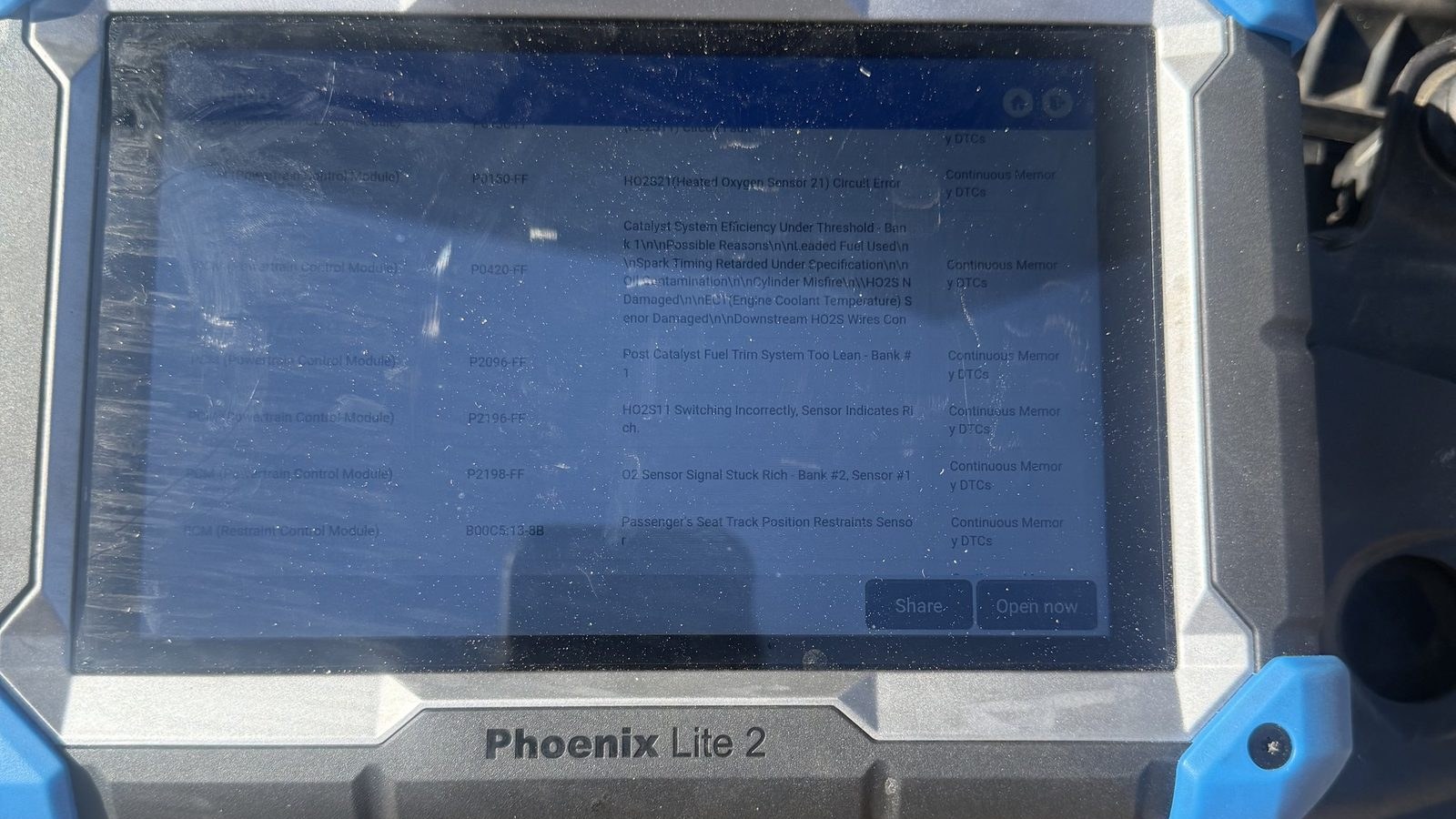
Engine diagnostics and heating or AC work round out what we handle, and both tend to involve more than meets the eye at first glance. A check engine light can mean something minor, like a loose gas cap, or something that needs attention soon, like a misfire. The only way to know is to pull the codes and look at what's actually happening under the hood. AC trouble in particular tends to pile up over a season, a little less cold air, a strange smell, a compressor that cycles oddly, until the system stops working altogether. Catching it early usually means a smaller fix. Across all these services, the goal stays the same, figure out what's actually wrong, explain it clearly, and handle it properly the first time.

 Supercanic